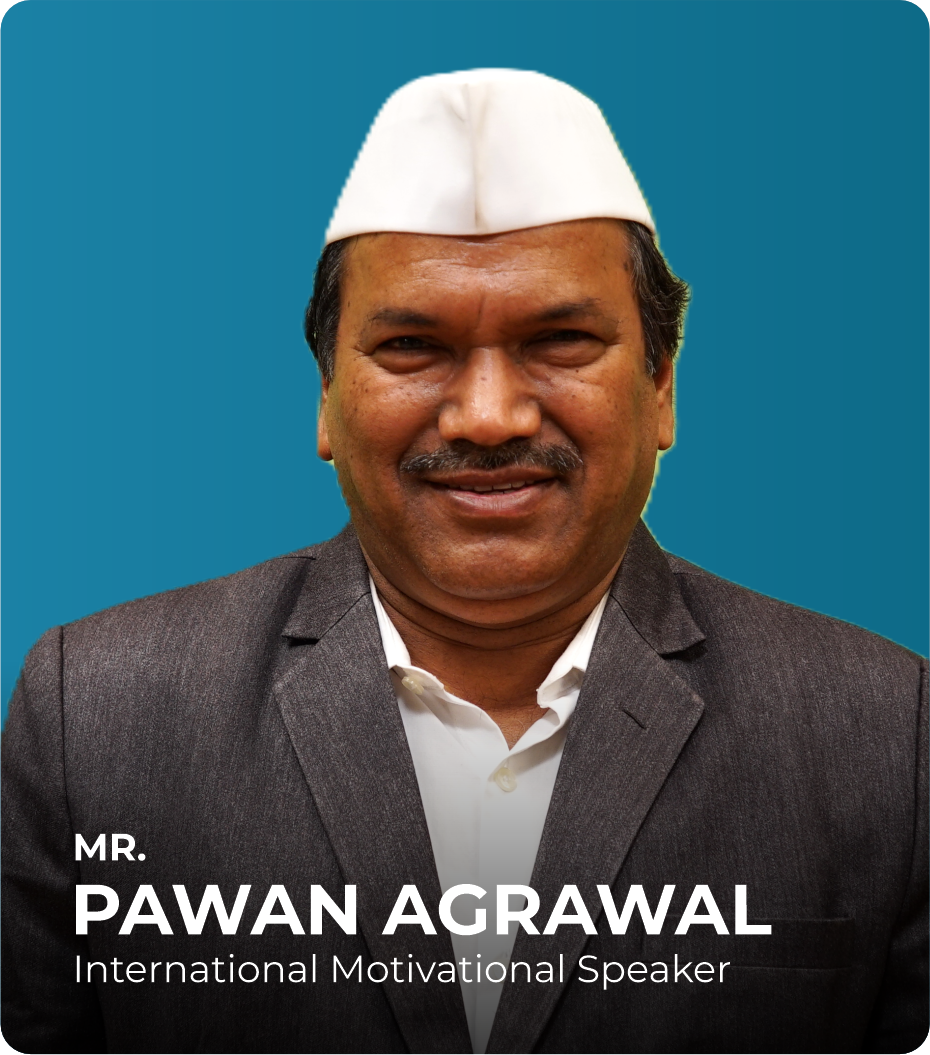
The Integrated Personality Development Course (IPDC) is a credit-based program that prepares youth for career readiness and holistic personality development. Aligned with NEP 2020 and the NCrF, IPDC equips learners with essential human skills and foundational values. Delivered through engaging video lectures, interactive workbooks, and guided reflection, the course is adopted by 30+ universities and 600+ colleges across India, shaping students into capable professionals, responsible family members, and contributing citizens.

After completing IPDC-1, learners will be able to:

  1. Build self-management and productivity.
  2. Communicate, collaborate, and lead with emotional intelligence.
  3. Make values-based decisions with ethics and responsibility.
  4. Develop resilience under pressure.
  5. Strengthen wellbeing and relationships.

– Engaging video lectures

– Interactive workbook activities

– Guided reflection prompts

– Short MCQ quiz

Exclusive New Course

IPDC-1

Language : Hindi, English

Course Fees: Rs. 500

  • 15 - Lectures
[code_snippet id=6 php=true]

Introduction – The Need for Values :
Learners understand the importance of values in achieving holistic growth and long-term success. The lecture connects values to real-life roles, including ambitious students, responsible professionals, caring family members, and thoughtful citizens.
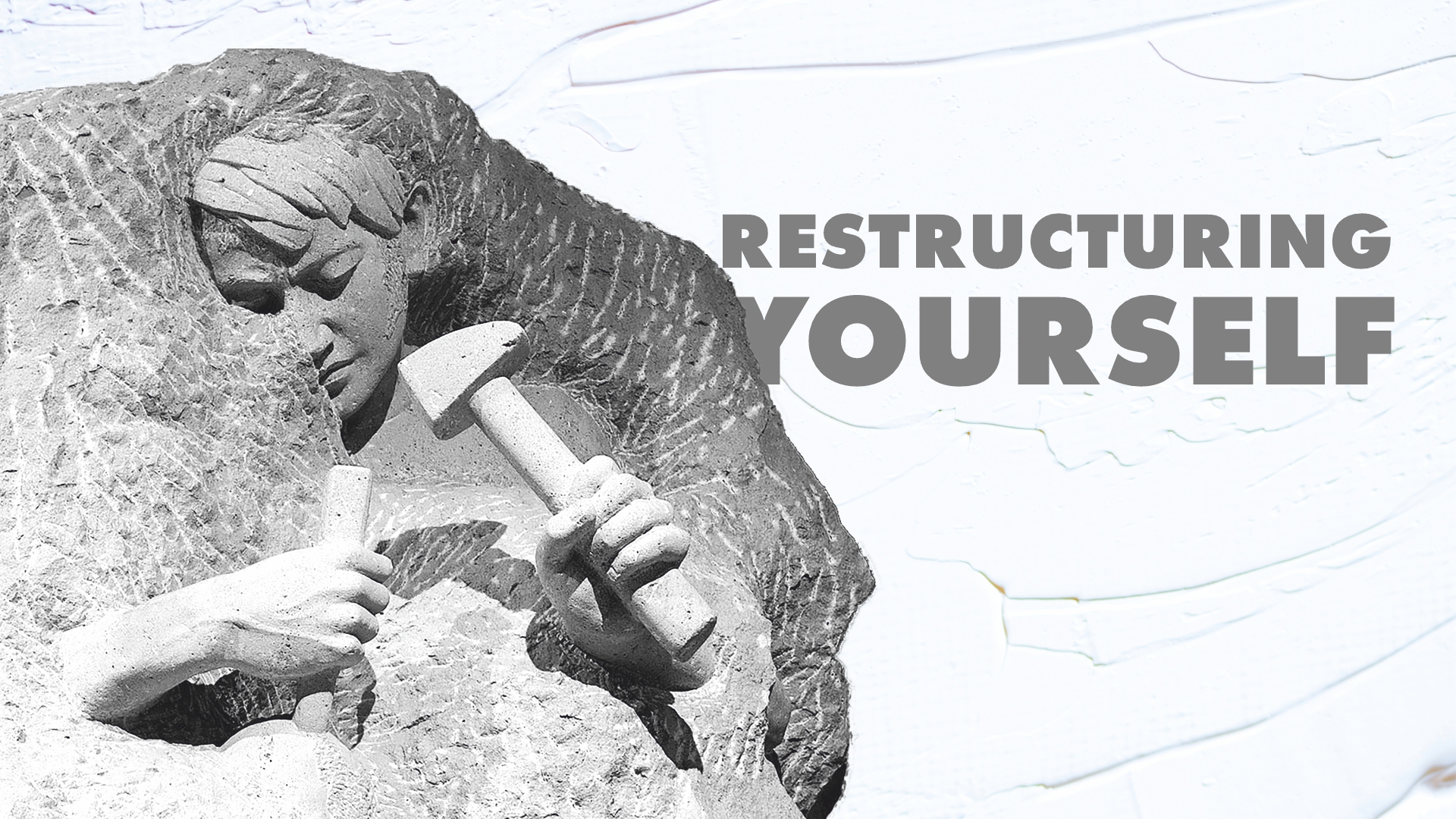

Learners explore how self-improvement shapes a brighter future. They learn six practical mindsets that strengthen intellectual, physical, emotional, and inner well-being; helping them become more focused, confident, and purposeful.
Learners understand how habits are formed and why they drive long-term success. They study the habits of high-performing professionals and learn simple techniques to build positive habits and reduce unhelpful ones.
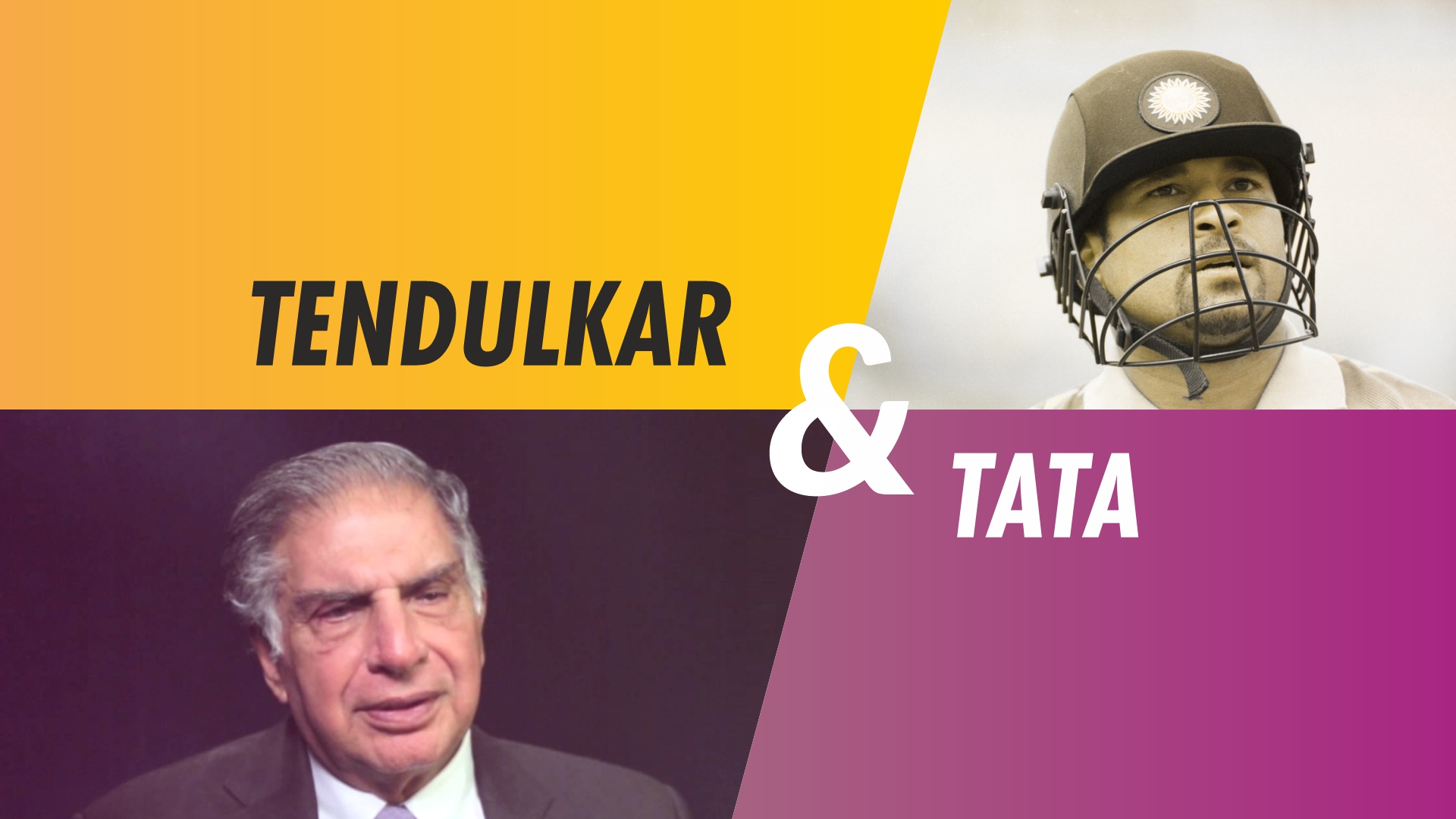
Learners draw inspiration from the lives of Sachin Tendulkar and Ratan Tata, and extract practical lessons on discipline, integrity, excellence, and leadership. The learning is reinforced through relatable examples and case-based reflection.
Learners discover how active listening enhances learning, relationships, and teamwork. They practice listening with their eyes, ears, mind, and heart, building empathy, clarity, and stronger communication skills.
Learners rethink how they approach challenges and setbacks. Through examples from figures such as Walt Disney, Abraham Lincoln, and Amitabh Bachchan, they learn to face difficulties with a constructive and growth-oriented mindset.

Learners understand failure as a teacher, not a threat. They develop skills to overcome fear and negativity, and learn how setbacks can become powerful learning experiences that build maturity, perseverance, and confidence.


Learners explore India’s rich civilizational heritage and its contributions to knowledge, society, and culture. They reflect on why understanding India’s past builds confidence, identity, and a deeper sense of responsibility toward the nation.
Learners discover how ideas from India’s past can inspire innovation and meaningful living today. They are encouraged to develop curiosity by reading, researching, writing, and sharing insights that build cultural awareness and intellectual pride.
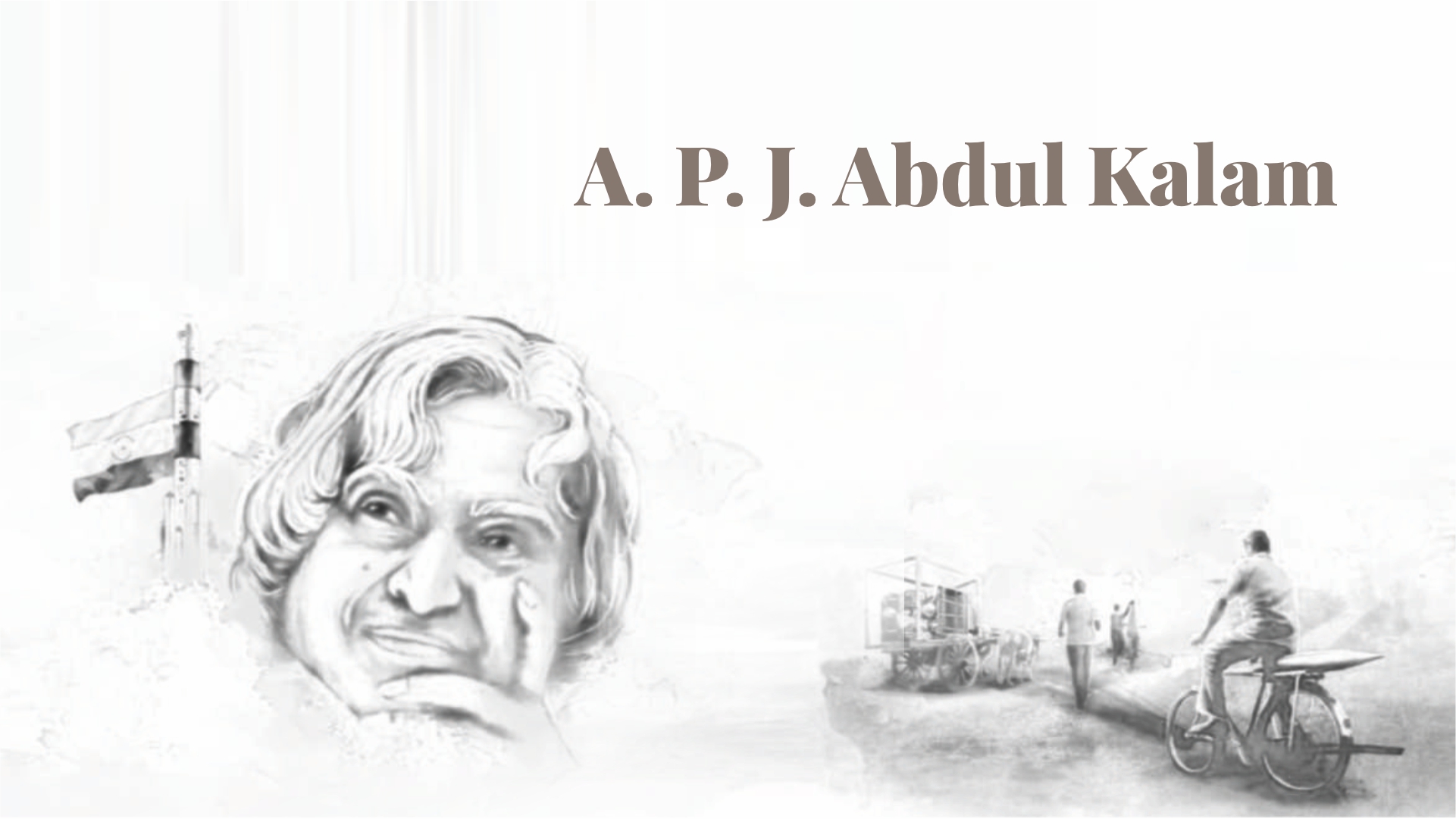
Learners learn key life principles from Dr. A.P.J. Abdul Kalam, including: dream boldly, work hard, seek guidance, stay humble, and use talent for the benefit of others. The lecture helps learners connect inspiration with everyday action.
Learners understand how to build a strong personal and professional network. They learn practical ways to communicate confidently, develop credibility, and adopt a leadership mindset in college and workplace settings.
Learners learn the fundamentals of project planning and execution through the Akshardham case study. They then apply these principles through a student-life activity that develops teamwork, planning, coordination, and accountability.
Learners understand how excessive social media use affects focus, mental health, and productivity. They learn simple, practical methods to build digital discipline and regain control of time and attention.
Learners explore the role of faith and inner strength in daily life, especially during stress, uncertainty, and failure. The lecture helps them build a stable mindset and the ability to stay grounded during challenging times.
Learners understand why strong family relationships matter for emotional stability and long-term success. They learn practical ways to reduce the generation gap, improve understanding, and build stronger connections at home.
Learners explore the meaning and power of seva (selfless service). They learn how service strengthens wellbeing and happiness, while also creating positive impact in society and inspiring others through action.

Flexible Hours

Learn at your own pace

Expert Guidance

Expert sessions with IIM Professors and industry experts

Trusted Content

Engaging, authentic and original

Student Interaction

Online interaction and guidance from experts

Testimonials